Introduction
With an open rate of over 98%, SMS marketing in India connects with customers at a level of engagement that email and social media can no longer consistently provide. This unparalleled engagement, coupled with response times averaging just 90 seconds, offers a highly cost-effective strategy to connect directly with customers.
This guide provides a comprehensive framework for leveraging this power, covering the essentials of building a compliant subscriber list, creating high-impact campaigns, and navigating the mandatory TRAI and DLT regulations for legal and successful operations in India.
Why Choose SMS Marketing?
Utilizing SMS marketing presents numerous advantages for businesses aiming to enhance their communication with customers, boost engagement, and improve response rates. With a remarkable open rate, text message marketing ensures that promotional sms, notifications, and alerts reach the audience swiftly, making it a cost-effective solution for brands seeking to drive sales and customer loyalty.

High Open Rates
SMS Marketing campaigns boast impressively high open rates, often surpassing 98%, which far outperforms conventional email outreach (averaging 20-25% in India). The reason is simple: a text message triggers an immediate notification and doesn’t get lost in a spam folder. This ensures that your promotional offers and crucial notifications are seen within minutes. For time-sensitive offers like a “Diwali Dhamaka Sale” or a flash discount, this immediacy makes effective Sms Marketing invaluable.
Quick Response Times
The power of SMS Marketing lies in its speed. The average response time for a text message is just 90 seconds, compared to over 90 minutes for an email. This allows for real-time customer engagement, from instant feedback collection to immediate confirmation of orders. This sense of urgency and connection not only encourages consumer engagement but also leads to higher conversion rates.
Cost-Effectiveness
While not free, SMS marketing provides a high Return on Investment (ROI). Compared to the rising costs of digital ads on platforms like Google and Meta, the Cost Per Acquisition (CPA) via a well-targeted SMS campaign can be significantly lower. Bulk messaging to a segmented, opted-in list is one of the most budget-friendly ways to drive measurable action. For businesses looking to further enhance their marketing strategies, bulk voice call services can complement your SMS campaigns. Learn more in our Bulk Voice Call Services Guide
Building a Compliant Subscriber List in India
Building a subscriber list is the foundation of successful Sms Marketing. It ensures your messages reach an audience that is genuinely interested and has legally permitted you to contact them. For a comprehensive guide on how to start with Bulk SMS marketing, check out our Bulk SMS Beginners Guide.
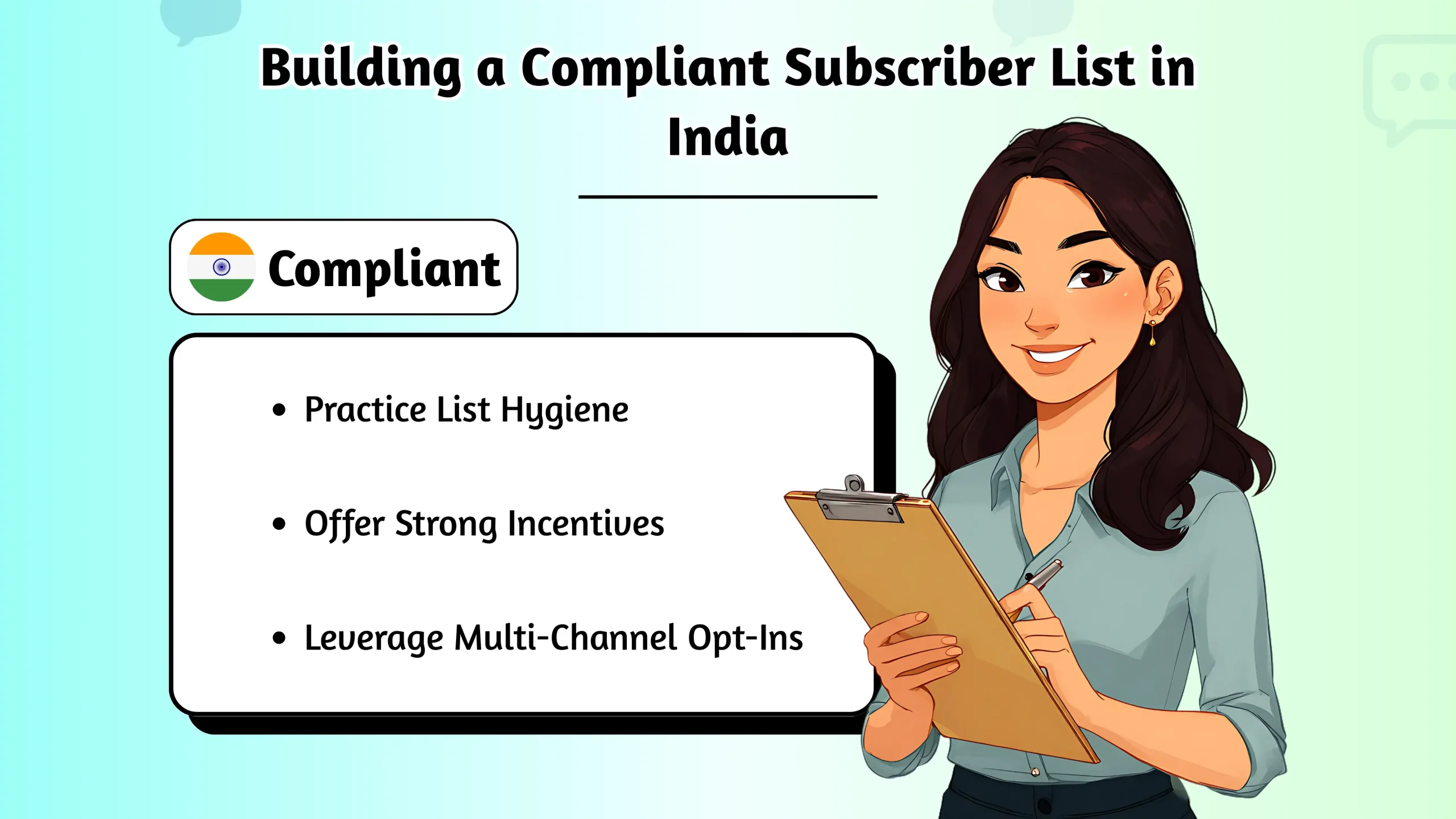
- Offer Strong Incentives: Encourage sign-ups by offering immediate value. For example, “Sign up for our SMS alerts and get 15% off your next order at Fabindia!” or “Join our VIP text list for early access to sales.”
- Leverage Multi-Channel Opt-Ins: Collect consent everywhere you interact with customers. Use website pop-ups, checkout tick-boxes, in-store QR codes, and social media campaigns (e.g., “Text JOIN to 56767”).
- Practice List Hygiene: Don’t just grow your list—maintain it. Periodically review your list for inactive numbers (e.g., no clicks in 180 days). Before removing them, send a re-engagement campaign like, “We miss you! Are you still interested in our offers? Reply YES to stay.” This improves deliverability and reduces costs, ensuring your Sms Marketing budget is spent effectively.
Creating and Sending SMS Campaigns
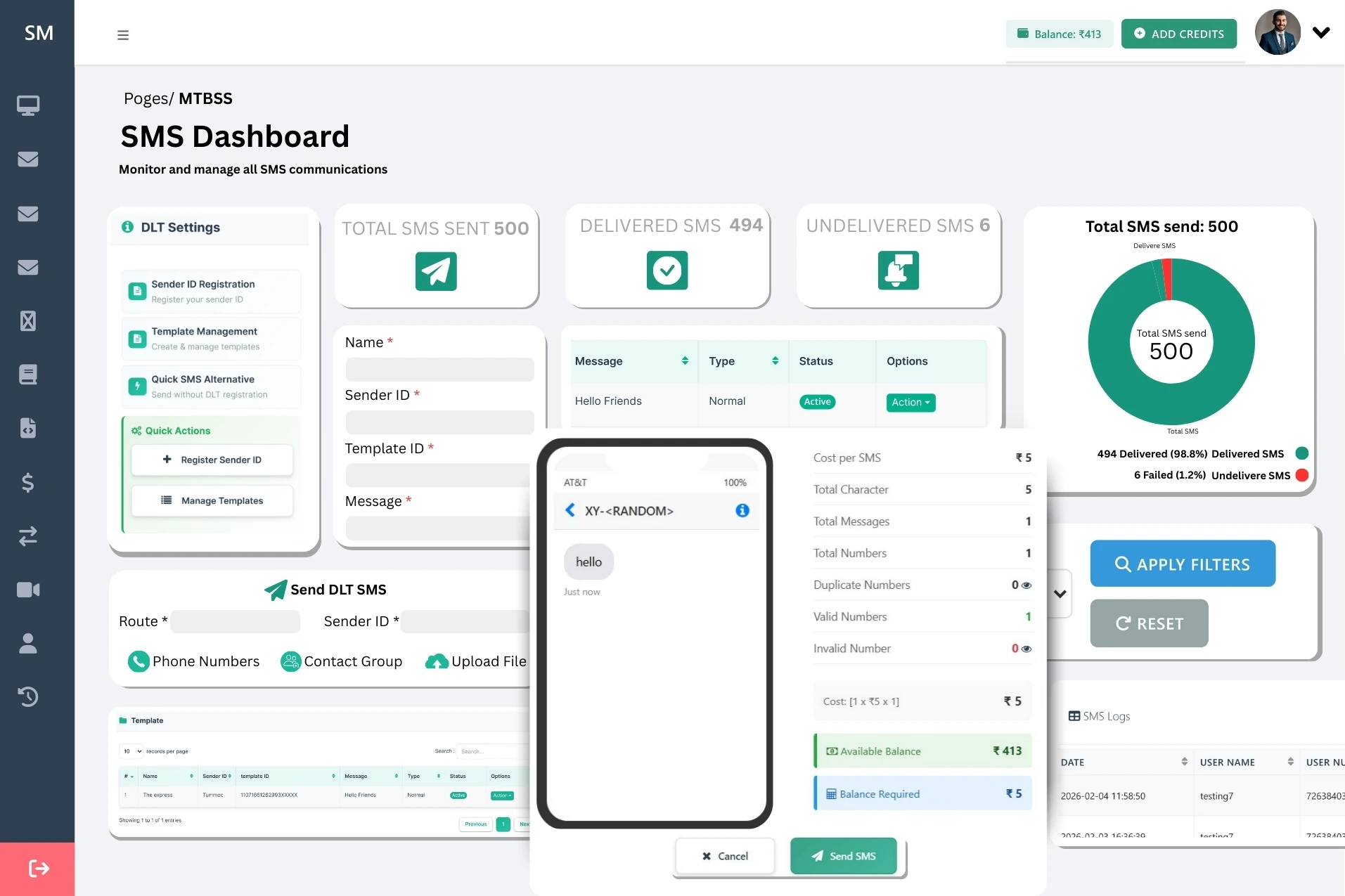
Creating and sending SMS campaigns involves using a DLT-compliant SMS provider to craft personalized messages that resonate with your audience. This blend of strategy, data, and creativity is essential for successful Sms marketing.

Leverage Smart Segmentation
Never send the same message to everyone. Segmentation allows you to tailor your messages for maximum impact. Key strategies include:
- Geographic Segmentation: Target users in a specific city for a local store event. (e.g., “Our new store is now open in Bandra, Mumbai! Show this SMS for a free gift.”).
- Behavioral Segmentation: Target users based on their purchase history. (e.g., “Hi Priya, thanks for buying the new Samsung phone. Get 25% off on all mobile cases this week!”).
Master A/B Testing
To optimize your campaigns, test different elements. Send two versions of your message to small, separate segments of your list. For instance:
- Version A: “Get 20% OFF on all orders. Use the code FLAT20.”
- Version B: “Get FREE Shipping on all orders. Use code FREESHIP.”
Analyze which version gets a better response, then send the winning message to the rest of your list. This data-driven approach dramatically improves campaign results.
What Types of Messages Can Be Sent?
SMS marketing is a versatile marketing strategy. In India, messages are broadly categorized by DLT platforms into Promotional, Transactional, and Service categories. SMS marketing is a versatile marketing strategy. To learn more about how to engage customers effectively through SMS, visit our How to Engage Customers with SMS guide.

Promotional Messages
These are messages intended to drive sales and include offers, discounts, and new product announcements. They can only be sent to non-DND (Do Not Disturb) numbers and require explicit consent.
- Flash Sales: “Zomato Flash Sale! Get 50% off on your next 3 orders. Valid till midnight. Order now!”
- Exclusive VIP Offers: “Myntra VIP Access: Our End of Reason Sale starts 12 hours early, just for you. Shop now!”
Alerts and Notifications (Transactional/Service)
These are critical updates triggered by a customer’s action. They can be sent to all users, including those on the DND list, 24/7. Examples include:
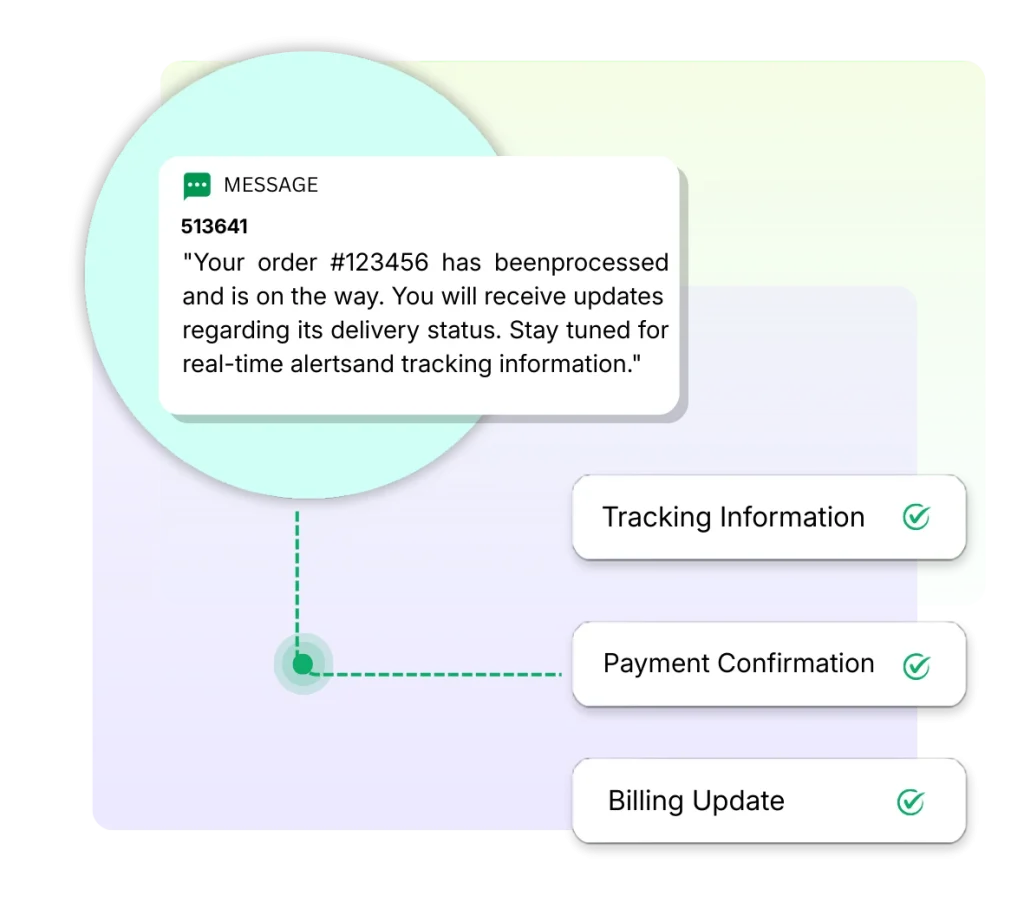
- Order Updates: “Your order #407-12345 from Amazon.in has been shipped via Delhivery. Track here: [link].”
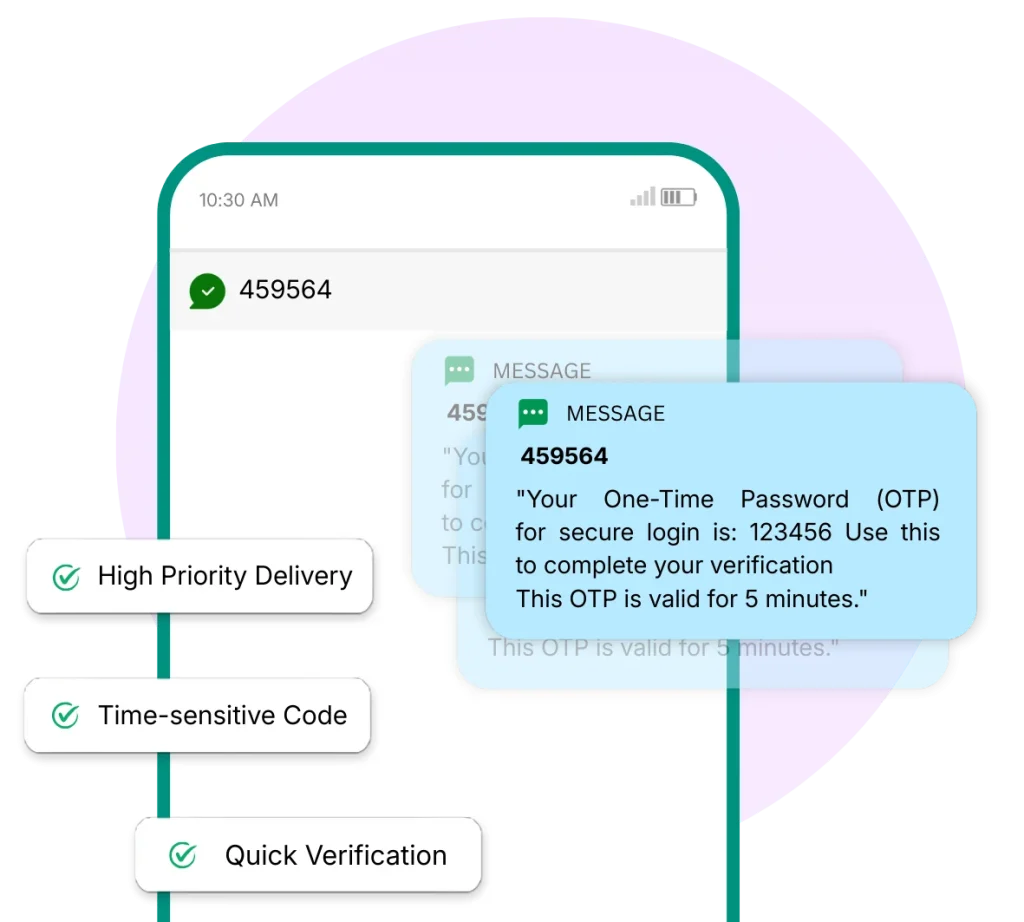
- Security Alerts: “Your One-Time Password (OTP) for HDFC Bank is 583192. Do not share it with anyone.”
Customer Engagement Messages
These messages are designed to build relationships and gather feedback.
- Feedback & Surveys: “Thank you for visiting Apollo Pharmacy. How was your experience? Rate us from 1 (Poor) to 5 (Excellent).”
- Personalized Greetings: “Happy Birthday, Rohan! Celebrate with a special treat from us. Use code BDAY15 for 15% off.”
What Are the Best Practices for SMS Marketing?
Adhering to best practices is essential for maximizing effectiveness and maintaining a positive brand image.
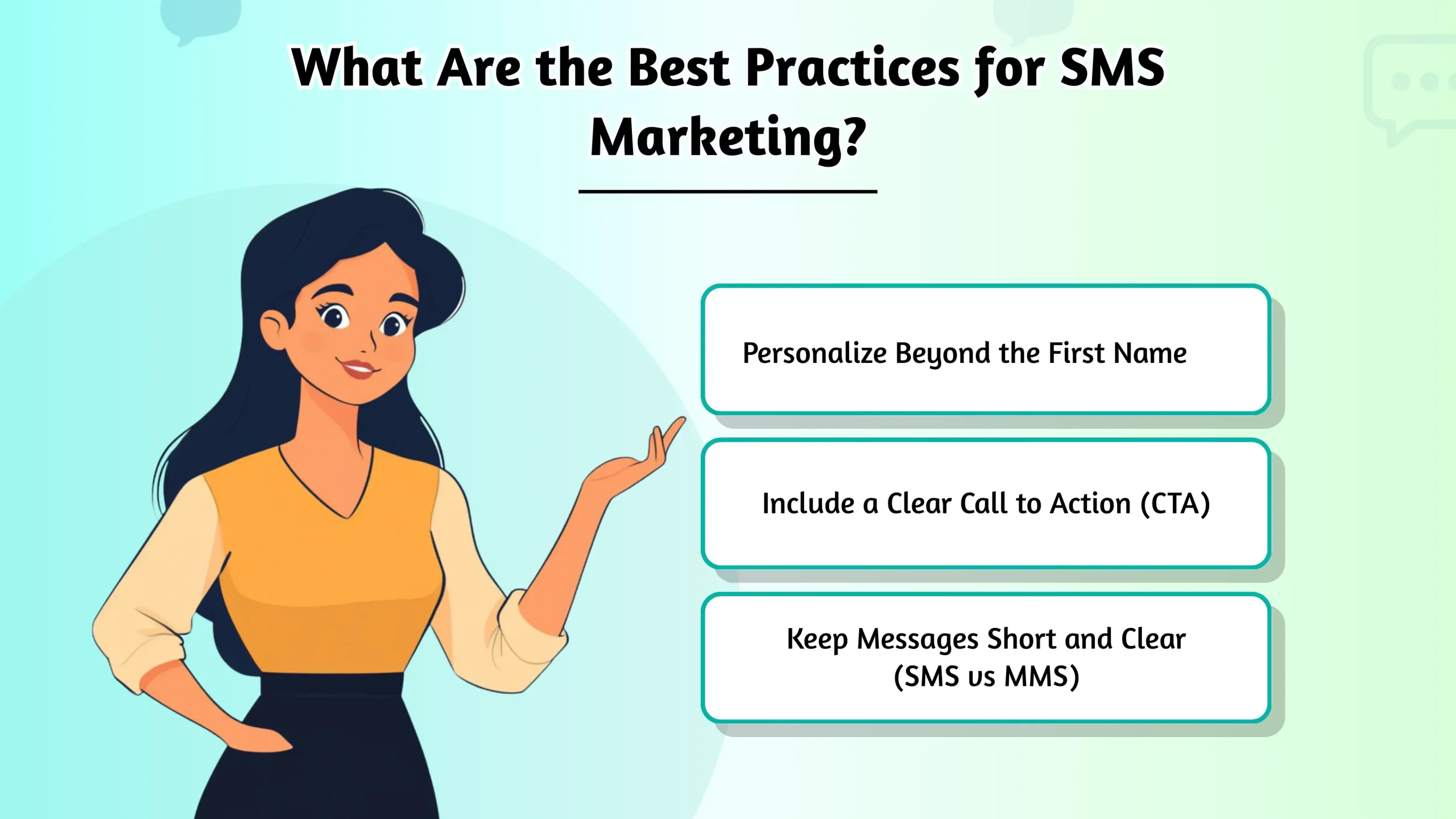
- Keep Messages Short and Clear (SMS vs MMS): A standard SMS is limited to 160 characters. For messages with images, GIFs, or longer text, use MMS (Multimedia Messaging Service). While MMS costs more, it can deliver a richer, more engaging experience for product launches or special announcements.
- Personalize Beyond the First Name: Use dynamic data to make your messages hyper-relevant. “Hi Sameer, your car insurance from Policybazaar is expiring in 15 days. Renew now for a 10% discount.”
- Include a Clear Call to Action (CTA): Always tell the recipient what to do next. Use strong, action-oriented phrases like “Shop Now,” “Call Us Today,” “Show this SMS,” or “Reply YES.”
Legal Considerations for SMS Marketing in India (TRAI & DLT)
This is the most critical section for any business in India. Non-compliance can lead to heavy penalties and blocked services. The entire system is governed by the Telecom Regulatory Authority of India (TRAI) and managed through DLT (Distributed Ledger Technology) platforms.

The DLT Registration Process is Mandatory
Before sending a single SMS, you must:
- Register your Business (Principal Entity): Sign up on a DLT platform like Jio, Vodafone Idea (Vi), Airtel, or BSNL.
- Register Your Sender IDs (Headers): A Sender ID is the 6-character alphabetic name that appears instead of a phone number (e.g., DM-NYKAAS). You must register every Sender ID you intend to use.
- Register Message Templates: Every single promotional and transactional message template must be submitted and approved on the DLT platform before it can be sent. Any deviation from an approved template will result in a blocked message.
What Are the Potential Risks of SMS Marketing?
While SMS marketing can be a highly effective tool with impressive open rates, it’s crucial to be aware of the potential pitfalls that can undermine your efforts. Navigating these challenges carefully is key to maintaining a positive brand reputation and ensuring campaign success.
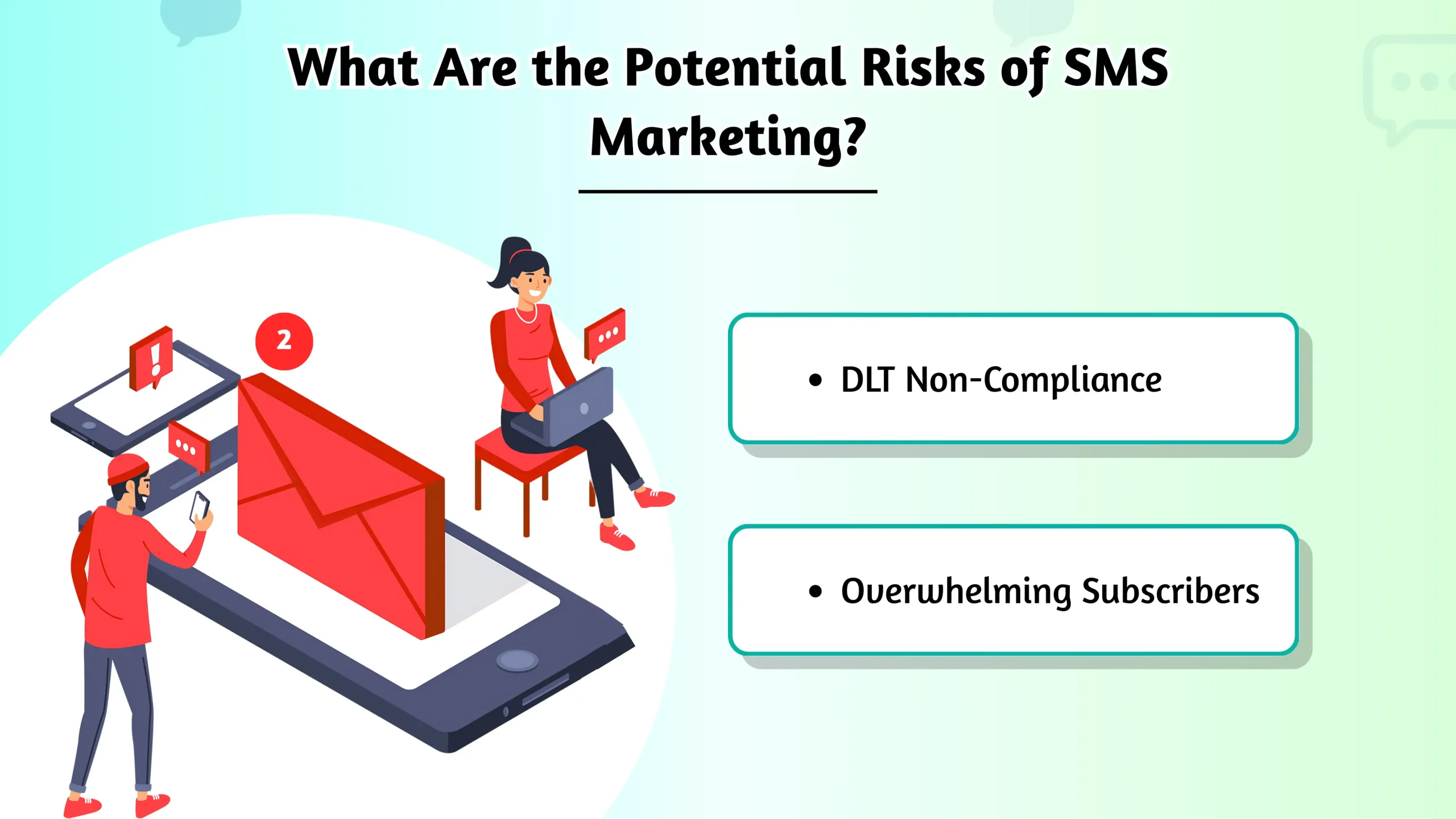
- Overwhelming Subscribers: Sending messages too frequently is the fastest way to get uninstalls and complaints. Respect your audience’s time and only send valuable content.
- DLT Non-Compliance: Failure to follow the DLT process will lead to your messages being blocked by operators. Repeated violations, such as trying to bypass DND rules, can result in penalties and the blacklisting of your Sender ID and business.
Conclusion
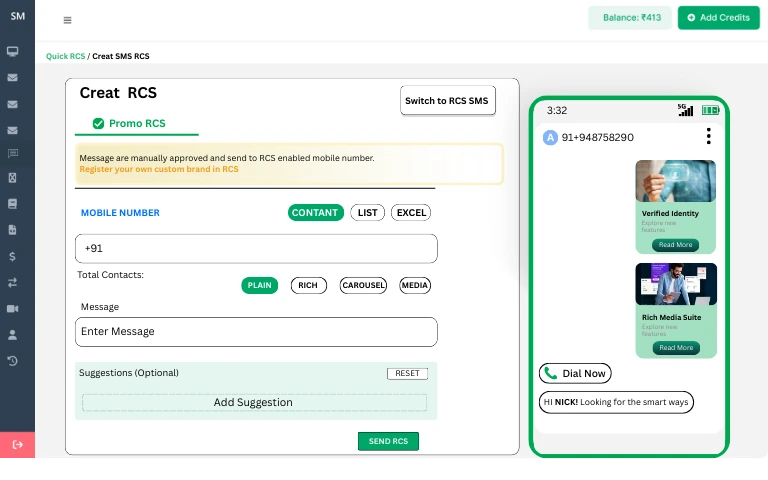
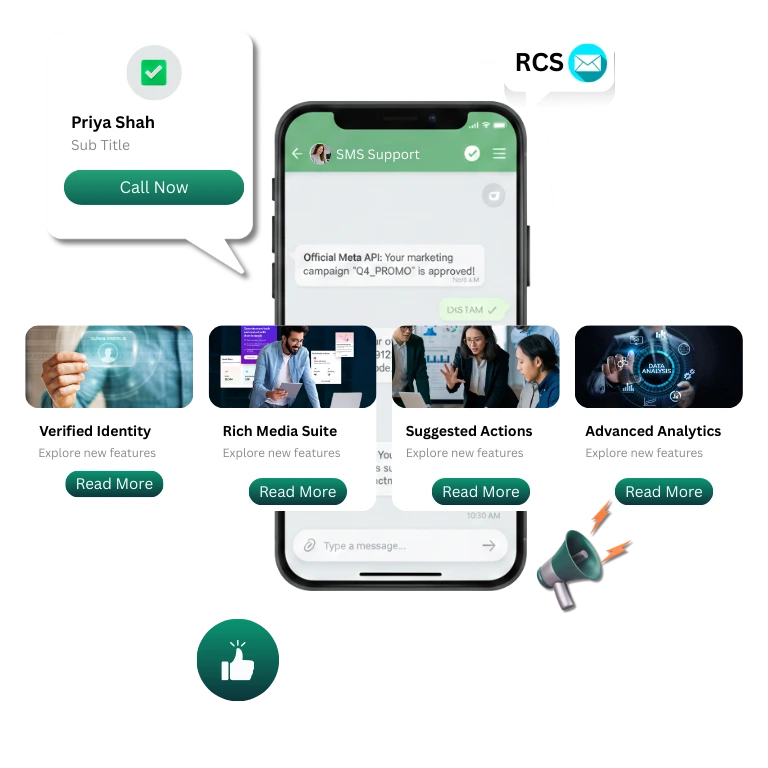
In India, SMS marketing remains a powerful tool due to its direct, personal, and immediate delivery. Success hinges on a strategic approach, balancing creative marketing with strict adherence to TRAI’s DLT framework by building a clean list, personalizing content, and respecting regulations. Future mobile messaging, with advancements like RCS and AI, promises richer interactions.