Introduction
In today’s digital age, communication is key to connecting with customers, clients, and stakeholders. Among the various communication channels available, SMS (Short Message Service) remains a popular choice for its simplicity, effectiveness, and wide reach. With the prevalence of smartphones and mobile technology, SMS has become a crucial tool for businesses looking to engage with their audience in a direct and personalized way.
Whether you are a small business owner, a marketing professional, or an enterprise leader, signing up for an SMS sign-up service can transform how you communicate and interact with your customers. This comprehensive guide aims to simplify the process, helping you choose the best SMS service provider for your needs, streamline your communications, and ultimately drive business success.
Understanding SMS Services
Before diving into the sign-up process, it’s essential to understand what SMS services entail. Here’s a comprehensive overview:

What are SMS services?
SMS services allow businesses and individuals to send and receive text messages programmatically, using APIs or web interfaces. This enables automated communication, streamlined workflows, and enhanced customer engagement.
Benefits of using SMS services
- High open rates and engagement: SMS messages have an average open rate of 98%, compared to email’s 20-30%
- Cost-effective communication: SMS is a budget-friendly way to reach customers and clients
- Easy integration with existing systems: SMS services can be integrated with CRM, marketing automation, and other tools
- Scalability and flexibility: SMS services can handle large volumes of messages and adapt to changing business needs
Types of SMS services: SMS services can be categorized into
- Bulk SMS: Sending large volumes of messages to multiple recipients, ideal for promotional campaigns and notifications
- SMS Marketing: Using SMS for promotional and marketing purposes, such as lead generation and customer retention
- SMS Automation: Automating SMS communication using APIs and workflows, streamlining processes and enhancing efficiency
With a solid understanding of SMS services, you’re now ready to explore the top SMS service providers and choose the best fit for your business needs. In the next section, we’ll delve into the features and pricing of leading SMS service providers, helping you make an informed decision.
Top SMS Service Providers
When it comes to choosing an SMS service provider, there are several options to consider. Here’s an overview of each provider to help you make an informed decision:

- SMSlocal: A US-based SMS provider offering reliable messaging services with features like automation, reporting, and customer support. SMSlocal is known for its user-friendly interface, competitive pricing, and excellent customer service.
- Twilio: A cloud communication platform offering scalable SMS services with advanced features like automated workflows and analytics. Twilio’s robust API and global reach make it a popular choice for businesses.
- Nexmo: A Vonage company providing robust SMS services with global coverage, flexible pricing, and easy integration. Nexmo’s advanced features include number masking and SMS firewalls.
- MessageBird: A cloud-based SMS platform offering fast and reliable messaging with features like automation and reporting. MessageBird’s user-friendly interface and competitive pricing make it a popular choice for businesses.
- ClickSend: A bulk SMS provider offering affordable pricing, easy integration, and advanced features like SMS automation. ClickSend’s scalable platform makes it ideal for businesses of all sizes.
Key Considerations
When selecting an SMS service provider, consider factors like:
- Reliability and uptime
- Global coverage and reach
- Features and customization options
- Pricing and scalability
- Customer support and documentation
By understanding the strengths and weaknesses of each provider, you can make an informed decision that meets your business needs.
Pricing and Plans
When selecting an SMS service provider, pricing and plans are crucial factors to consider. Here’s what to look for:
Pricing Models
SMS service providers offer various pricing models, including:
- Pay-as-you-go: Pay for each SMS message sent
- Subscription-based: Pay a monthly fee for a set number of SMS messages
- Tiered pricing: Pay a set fee for a range of SMS messages (e.g., 1-1000 messages)
Key Considerations
When evaluating pricing and plans, consider the following:
- Cost per message: Calculate the cost per message to ensure it fits your budget
- Message volume: Estimate your monthly message volume to choose the best plan
- Additional fees: Check for additional fees, such as setup fees or support fees
- Discounts: Ask about discounts for large volumes or long-term commitments
Pricing Comparison
| Provider | Pay-as-you-go | Subscription-based | Tiered Pricing |
| SMSlocal | $0.004 per message | $5/month (500 messages) | Custom pricing |
| Twilio | $0.005 per message | $10/month (1000 messages) | Custom pricing |
| Nexmo | $0.006 per message | $15/month (2000 messages) | Tiered pricing |
| MessageBird | $0.007 per message | $20/month (3000 messages) | Custom pricing |
| ClickSend | $0.008 per message | $25/month (4000 messages) | Tiered pricing |
Step-by-Step Sign-Up Process
Signing up for an SMS service provider is a straightforward process that can be completed in a few steps. Here’s a general overview of what you can expect:
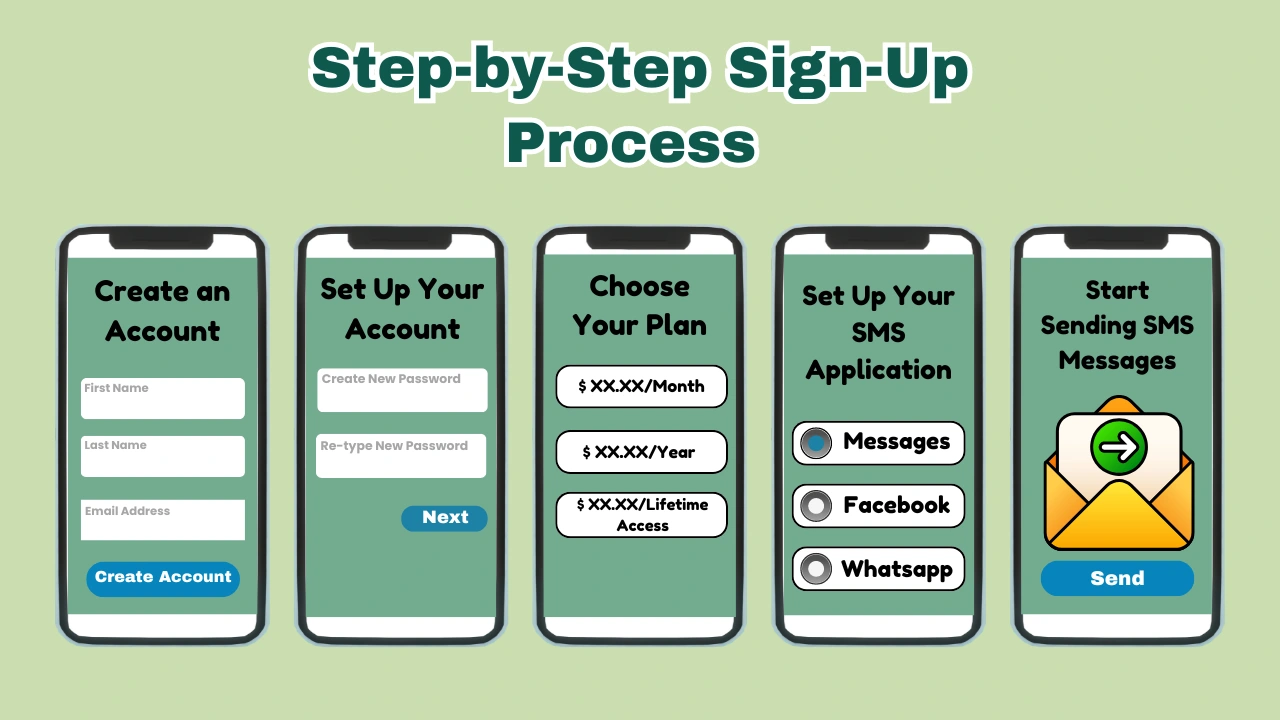
Step 1: Create an Account
- Go to the SMS service provider’s website and click on the “Sign Up” button
- Enter your email address, password, and phone number
- Verify your phone number through an SMS code or phone call
Step 2: Set Up Your Account
- Enter your account information, including your name, company name, and address
- Set up your billing details, including your payment method and billing cycle
Step 3: Choose Your Plan
- Select the plan that best fits your business needs, including the number of SMS messages you need to send and the features you require
- Review the pricing and features of each plan to ensure you’re getting the best value for your money
Step 4: Set Up Your SMS Application
- Integrate the SMS service provider’s API into your application or use their web-based dashboard to send SMS messages
- Set up your SMS templates, including the message content and sender ID
Step 5: Start Sending SMS Messages
- Start sending SMS messages to your customers, either manually or through automated workflows
- Monitor your SMS message delivery and engagement metrics to optimize your campaigns
By following these general steps, you can quickly sign up for an SMS service provider and start sending SMS messages to your customers. Remember to choose the provider that best fits your business needs and don’t hesitate to reach out if you need any help along the way.
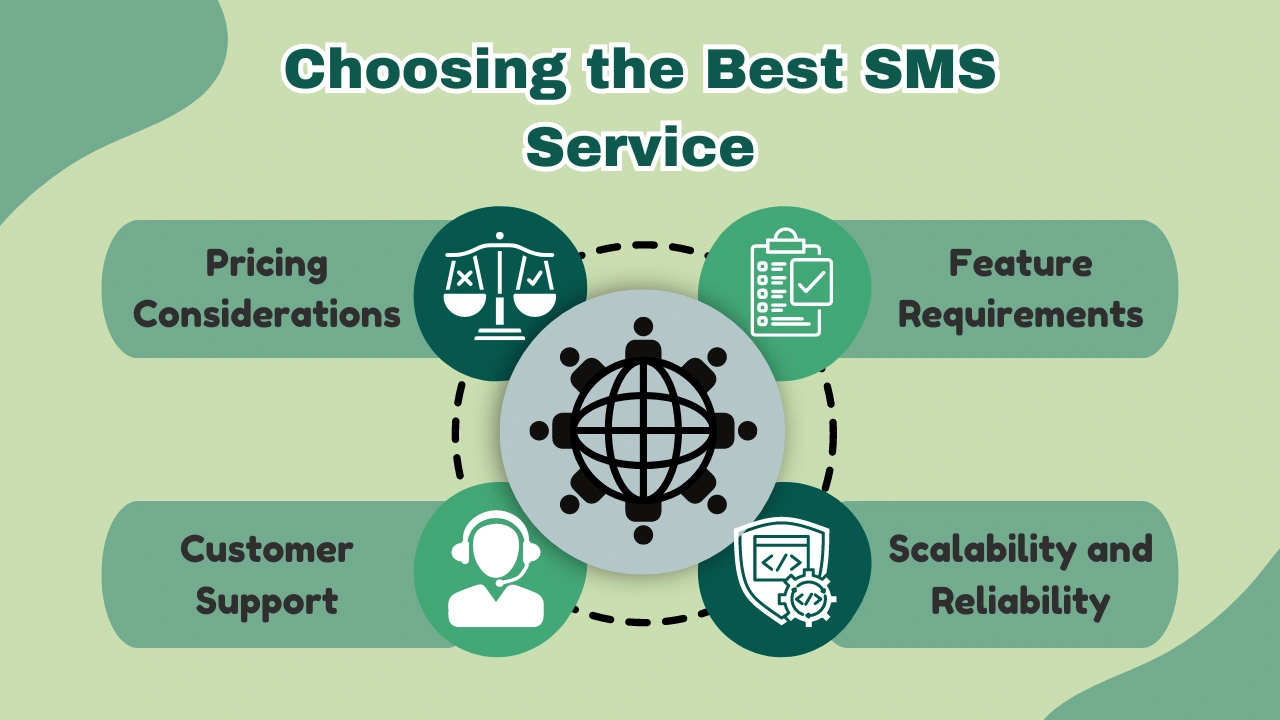
Choosing the Best SMS Service
With so many SMS service providers to choose from, selecting the best one for your business can be overwhelming. The right provider can help you effectively communicate with your customers, improve engagement, and drive sales. On the other hand, the wrong provider can lead to poor delivery rates, frustrated customers, and a negative impact on your bottom line.
Key Factors to Consider
When making your decision, it’s essential to consider several factors.
Pricing Considerations
Pricing is a critical aspect, as it can vary significantly between providers. Look for a provider that offers transparent pricing, with no hidden fees or surprises.
Feature Requirements
Additionally, consider the features you need, such as SMS automation, reporting, and analytics. Ensure the provider offers the features that align with your business goals and requirements.
Scalability and Reliability
Scalability is another crucial factor to consider. As your business grows, you’ll need a provider that can scale with you. Look for a provider that can handle large volumes of SMS messages and has a reliable infrastructure to ensure high uptime.
Customer Support
Customer support is also essential. Look for providers with 24/7 customer support and a comprehensive knowledge base.
Tips for Selecting the Right Provider
Read reviews from other customers to get a sense of the provider’s strengths and weaknesses. Compare features and pricing plans to ensure you’re getting the best value for your money. Test their support by reaching out to their customer support team, and check their reputation online. By considering these factors and following these tips, you can choose the best SMS service provider for your business and ensure you’re getting the most out of your SMS marketing efforts.
Features to Look for in an SMS Service
When selecting an SMS service provider, there are several features to look for to ensure you’re getting the most out of your SMS marketing efforts. A robust SMS API and integrations with popular platforms like Salesforce, HubSpot, and Zapier are essential for automating your SMS workflows and integrating SMS with your existing marketing tools. Additionally, message scheduling and automation features enable you to schedule SMS messages in advance and automate workflows based on customer interactions.
Key Features to Look for in an SMS Service Provider
| Feature | Description |
| SMS API | Robust API for automating SMS workflows |
| Integrations | Integrations with popular platforms like Salesforce, HubSpot, and Zapier |
| Message Scheduling | Schedule SMS messages in advance |
| Automation | Automate workflows based on customer interactions |
| Reporting and Analytics | Detailed reporting and analytics, including delivery rates, open rates, and click-through rates |
| Customer Support | 24/7 customer support, comprehensive knowledge bases, and dedicated account managers |
| Security and Compliance | Robust security measures and compliance with industry regulations like GDPR and TCPA |
By considering these features, you can choose an SMS service provider that meets your business needs and helps you achieve your marketing goals.
Conclusion
Choosing the right SMS service provider can significantly enhance your business’s communication strategy. By understanding the different types of SMS services and considering key factors such as pricing, features, scalability, and customer support, you can make an informed decision that aligns with your business objectives.
Whether you’re looking to automate your marketing efforts, improve customer engagement, or streamline your operational communications, selecting a provider that meets your specific needs is crucial. Remember to review each provider’s offerings carefully, test their support systems, and ensure they have the necessary integrations and features to support your business growth. With the right SMS service provider, you can leverage the power of SMS to connect with your audience more effectively, boost engagement, and achieve your business goals.sms