Introduction
SMS software has become an indispensable tool for businesses looking to enhance their communication strategfies. By providing a platform to send and receive text messages efficiently, SMS software enables companies to engage with customers, automate messaging workflows, and track the performance of their campaigns. This guide delves into the key components, features, and best practices of SMS software to help you choose the right solution for your business needs.
What is SMS Software?
SMS software, also known as text message marketing software, is a platform that enables businesses to send and receive text messages with their customers and clients. This software provides a range of features and tools to manage text message campaigns, automate messaging, and track performance metrics.

Key Components of SMS Software
Software typically includes:
- Message Management: Compose, send, and schedule text messages
- Contact Management: Store and manage contact lists and opt-outs
- Automation: Set up automated messaging workflows and triggers
- Analytics: Track delivery rates, open rates, and response rates
By leveraging SMS software, businesses can streamline their text messaging efforts, improve efficiency, and drive better results
Top Features to Look for in SMS Software
When selecting a messaging platform, look for features like automation, personalization, and analytics to enhance your customer engagement. A robust platform with these capabilities can help you streamline your communication workflow and drive business growth.

Essential Features for Effective Text Message Marketing
When selecting SMS software, it’s crucial to consider the features that will help you achieve your marketing goals. Here are the top features to look for:
- User-Friendly Interface: Easy-to-use dashboard for composing and sending messages
- Multi-Channel Support: Ability to send messages via SMS, MMS, and other channels
- Contact Segmentation: Tools to segment contacts based on demographics, behavior, and preferences
- Automation Capabilities: Options to automate messaging workflows and triggers
- Integration Options: Ability to integrate with CRM, email marketing, and other tools
Advanced Features to Consider
| Advanced Feature |
Description |
| Personalization |
Ability to personalize messages with recipient names, preferences, and behaviors |
| A/B Testing |
Tools to test and optimize message content, timing, and frequency |
| Analytics and Reporting |
Detailed analytics and reporting to track performance metrics |
By considering these features, you can
choose SMS software that meets your business needs and helps you achieve your marketing goals.
How to Choose the Right SMS Software for Your Business
When selecting a messaging solution, consider your business needs and goals, and look for a platform that offers the necessary features, scalability, and support to help you achieve success. Evaluate factors such as ease of use, customization options, and integrations with existing tools to find the best fit for your organization.

Selecting the Best SMS Software for Your Needs
With numerous software options available, choosing the right one can be overwhelming. Here are some factors to consider when selecting the best SMS software for your business:
- Business Size and Needs: Consider the number of contacts, message volume, and features required
- Budget and Pricing: Evaluate pricing plans, including pay-per-message, subscription-based, or enterprise plans
- Scalability and Reliability: Ensure the software can handle increased message volume and provides reliable delivery
- Customer Support: Look for software with responsive customer support, documentation, and training resources
- Security and Compliance: Verify the software meets regulatory requirements, such as GDPR and TCPA
Evaluating SMS Software Providers
When evaluating messaging platforms, it’s essential to read reviews and case studies to gain insights into user experiences, success stories, and testimonials. Additionally, request demos and trials to test the software hands-on and ensure it meets your specific needs. Finally, create a comparison chart to systematically evaluate features and pricing across different options, enabling you to make an informed decision that aligns with your business requirements.
By carefully considering these factors, you can choose the right Ssoftware to help your business succeed.
Using SMS Software: Best Practices and Tips
To maximize the effectiveness of your messaging efforts, follow best practices such as obtaining explicit consent, personalizing messages, and keeping content concise and relevant. Additionally, ensure compliance with regulatory guidelines and maintain a clear opt-out process to build trust and avoid spamming your audience.

Effective Strategies for SMS Marketing
To get the most out of your SMS software, follow these best practices and tips:
To maximize the impact of your messages, keep them concise and clear, under 160 characters. Personalize and segment your messages to tailor them to specific groups and individuals. Timing is crucial, so send messages during optimal times, such as business hours or events. Ensure compliance with regulations like GDPR, TCPA, and CTIA. Finally, track and analyze performance metrics, including delivery rates and response rates, to refine your strategy.
Crafting Compelling Messages
- Use Clear and Concise Language: Avoid jargon and technical terms
- Include a Clear Call-to-Action: Encourage recipients to take action
- Use Emojis and Personalization: Add tone and personality to messages
- Proofread and Test: Ensure error-free and effective messages
Common Use Cases for SMS Software
Messaging platforms are commonly used for sending timely reminders, alerts, and notifications, as well as for delivering personalized promotions, offers, and updates to customers. Additionally, businesses use messaging to facilitate two-way conversations, gather feedback, and provide support to their customers.

Versatile Applications of SMS Software
SMS is a versatile tool that can be applied to various business scenarios, including:
| Use Case |
Description |
| Marketing and Promotions |
Send exclusive offers, discounts, and updates to customers |
| Customer Support |
Provide quick answers, resolve issues, and improve customer satisfaction |
| Transactional Messages |
Send automated messages for order confirmations, appointments, and reminders |
| Event Reminders and Notifications |
Send timely reminders and updates for events, webinars, and conferences |
| Feedback and Surveys |
Collect customer feedback and opinions through surveys and polls |
Industry-Specific Use Cases
- Healthcare: Send appointment reminders, medical alerts, and patient notifications
- Finance: Send transaction alerts, payment reminders, and account updates
- E-commerce: Send order confirmations, shipping updates, and promotional offers
- Education: Send reminders, notifications, and updates for students, parents, and staff
Integrating SMS Software with Other Tools
Seamlessly connect your messaging platform with other business tools, such as CRM systems, marketing automation platforms, and email services, to create a cohesive and streamlined communication workflow. This integration enables you to leverage customer data and insights from multiple sources, enhancing the personalization and impact of your messages.

Seamless Integration for Enhanced Productivity
Integrating SMS software with other business tools can streamline your workflow, enhance productivity, and improve customer engagement. Consider integrating with:
- CRM Systems: Sync contact information, automate messaging, and track interactions
- Email Marketing Platforms: Combine email and SMS campaigns for a multi-channel approach
- Social Media Management Tools: Extend your social media reach with SMS marketing
- E-commerce Platforms: Automate order confirmations, shipping updates, and promotional offers
- Helpdesk Software: Provide timely support and resolve issues efficiently
Benefits of Integration
- Automated Workflows: Reduce manual tasks and increase efficiency
- Enhanced Customer Experience: Provide a unified and personalized experience across channels
- Improved Data Management: Sync data and gain a comprehensive view of customer interactions
- Increased Productivity: Focus on high-value tasks and strategic initiatives
By integrating SMS software with other tools, you can create a powerful marketing and customer support ecosystem.
Measuring the Success of Your SMS Campaigns
To gauge the effectiveness of your messaging efforts, track key metrics such as delivery rates, open rates, and conversion rates to understand what’s resonating with your audience. By regularly monitoring and analyzing these performance indicators, you can refine your strategy and optimize future campaigns for even better results.
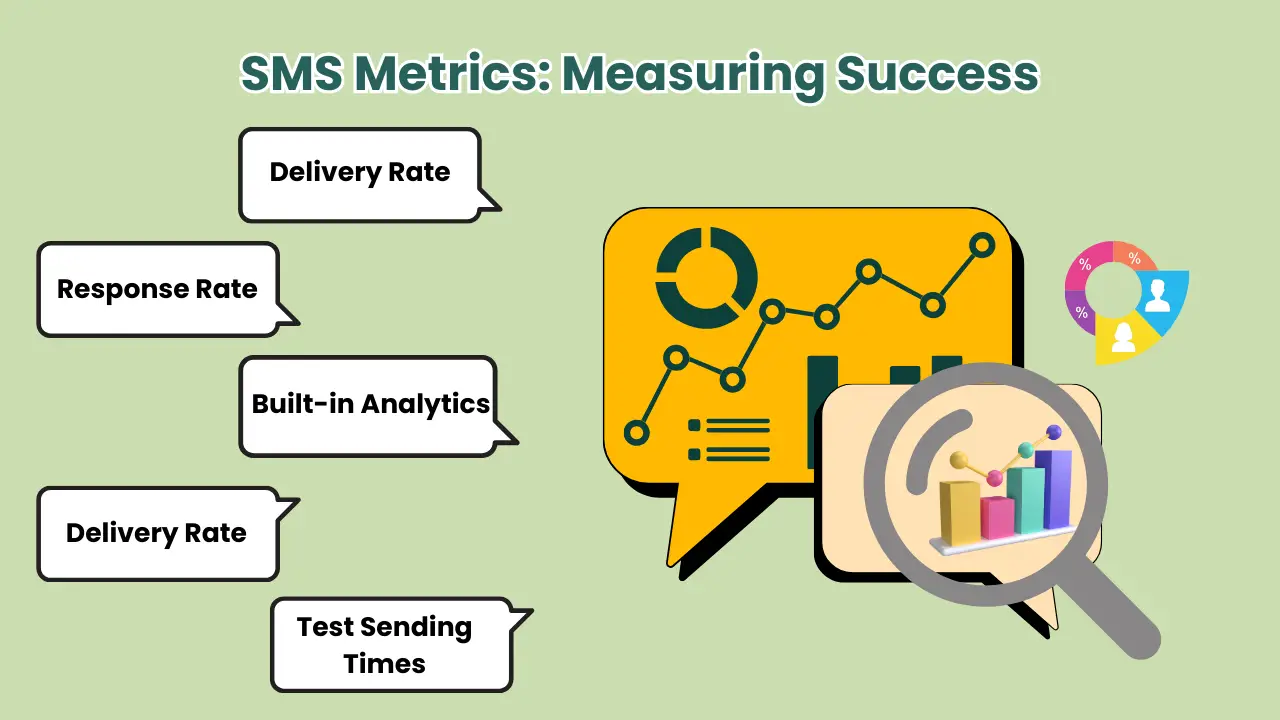
Tracking Key Performance Indicators (KPIs)
To evaluate the effectiveness of your campaigns, monitor these essential KPIs:
- Delivery Rate: The percentage of messages successfully delivered
- Open Rate: The percentage of messages opened by recipients
- Response Rate: The percentage of recipients who respond to messages
- Conversion Rate: The percentage of recipients who complete a desired action
- Opt-out Rate: The percentage of recipients who opt-out of future messages
Analytics and Reporting Tools
- Built-in Analytics: Utilize analytics tools within your SMS software
- Third-party Integration: Integrate with external analytics platforms for enhanced insights
- Custom Reporting: Create tailored reports to suit your business needs
A/B Testing and Optimization
- Test Message Content: Compare different message versions to determine top performers
- Test Sending Times: Identify optimal sending times for improved engagement
- Test Subscriber Segments: Determine which segments respond best to specific messages
Common Mistakes to Avoid When Using SMS Software
When implementing a messaging strategy, avoid common pitfalls like sending generic, spammy messages or neglecting to obtain proper consent from recipients. By steering clear of these mistakes, you can build trust with your audience and create a more effective, personalized communication experience.

When using SMS software, be aware of these common mistakes:
- Spamming or Over-Messaging: Avoid sending excessive or unwanted messages
- Poor Timing: Refrain from sending messages at inappropriate times (e.g., late at night)
- Lack of Personalization: Failing to tailor messages to individual recipients or segments
- Ignoring Opt-Outs: Not respecting recipients’ requests to opt-out of future messages
- Insufficient Testing: Not testing messages for errors, formatting, or deliverability
Best Practices to Follow
- Segment Your Audience: Divide recipients into targeted groups for relevant messaging
- Keep Messages Concise: Ensure messages are clear, brief, and to the point
- Use Clear Call-to-Actions: Encourage recipients to take specific actions
- Monitor and Adjust: Continuously track performance and refine your strategy
By avoiding common mistakes and following best practices, you can maximize the effectiveness of your SMS campaigns.
Next-Level SMS Features
Take your SMS marketing to the next level with advanced features like AI-powered automation, personalization, and multi-channel messaging. These cutting-edge capabilities enable you to deliver highly targeted, engaging, and effective campaigns that drive real results.
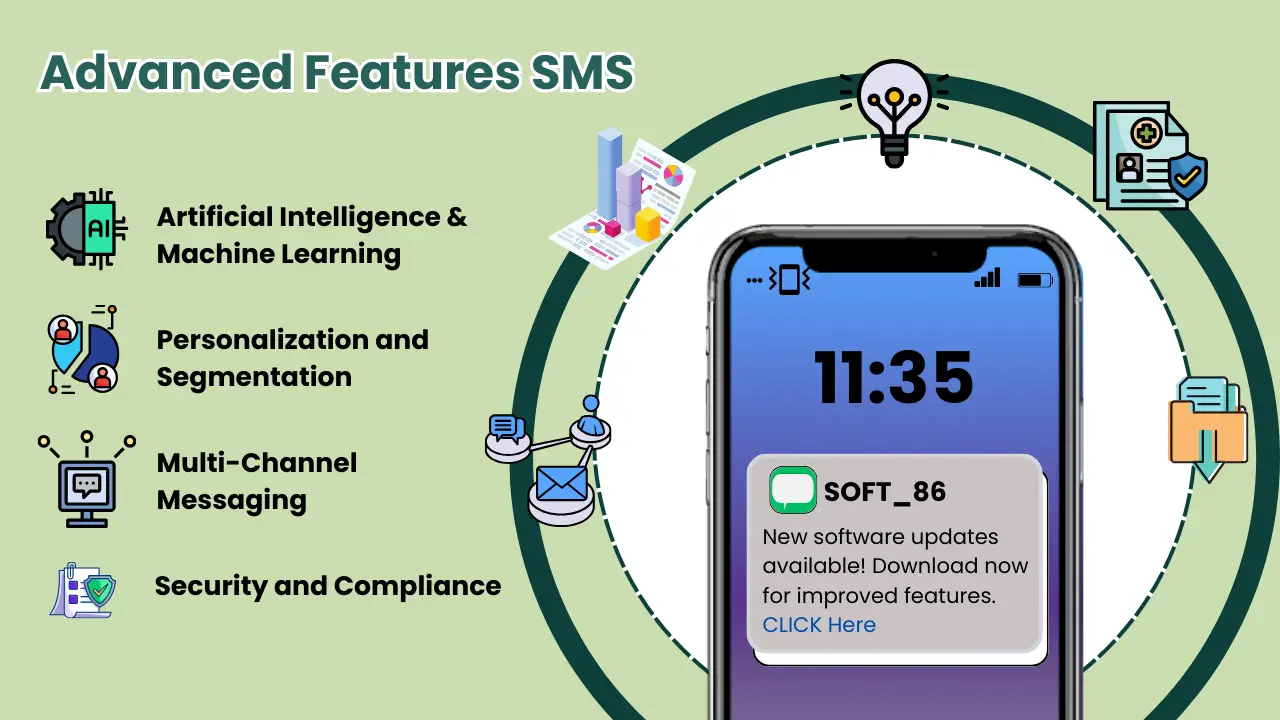
Consider these advanced features to enhance your SMS marketing capabilities:
- Artificial Intelligence (AI) and Machine Learning (ML): Automate and optimize messaging with AI-driven insights
- Personalization and Segmentation: Tailor messages to individual recipients based on behavior, preferences, and demographics
- Multi-Channel Messaging: Integrate SMS with other channels, such as email, social media, and voice messaging
- Advanced Analytics and Reporting: Gain deeper insights into campaign performance and recipient behavior
- Security and Compliance: Ensure robust security measures and compliance with regulations like GDPR and TCPA
Streamlining Your Workflow
Streamline your messaging operations by automating routine tasks and workflows, freeing up resources for more strategic initiatives. Additionally, synchronize your data and workflows with existing CRM and marketing automation tools to create a seamless and cohesive customer experience. Furthermore, leverage a platform that offers customization and flexibility to tailor its capabilities to your unique business requirements, ensuring a perfect fit for your organization’s needs.
By leveraging these advanced features, you can unlock new possibilities for your SMS marketing efforts.
Conclusion
Investing in the right SMS software can significantly improve your business communication, streamline messaging processes, and enhance customer engagement. By focusing on essential features such as automation, personalization, and analytics, you can create more effective campaigns that resonate with your audience. As you integrate SMS software into your marketing strategy, remember to adhere to best practices, monitor performance metrics, and continuously optimize your efforts to achieve the best possible results.


